
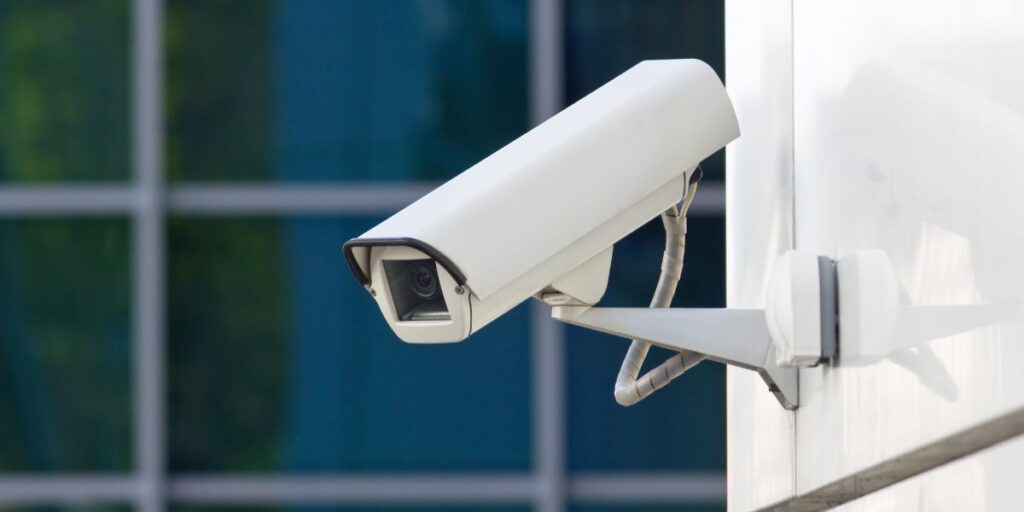
Security is an important part of protecting a home, business, office, warehouse, rental property, or commercial space. Property owners want better visibility around entrances, driveways, parking lots, doors, garages, storage areas, and after-hours access points. They also want alerts when something unusual may be happening. A well-planned security camera and alarm system can help support these goals, but the system needs to be designed around the property, not chosen randomly.
A camera in the wrong place may not capture useful footage. An alarm sensor that is not configured properly may create false alerts. A recording system without enough storage may not provide footage when it is needed. A setup that is too complicated may not be used consistently. This is why planning matters as much as the equipment itself.
For property owners in Ottawa, working with a local provider such as Eyeon Security can help create a practical system that fits real property needs, daily routines, and long-term security goals.
Security Planning Starts With the Property Layout
Every property has different access points, lighting conditions, traffic patterns, and security priorities. A detached home may need cameras around the front door, driveway, garage, side entrance, backyard, and basement access. A retail business may need visibility around customer entrances, checkout areas, aisles, stockrooms, and parking spaces. An office may need coverage around reception, hallways, meeting rooms, and staff entry points.
A warehouse or commercial building may need a more detailed plan. Loading docks, inventory rooms, equipment areas, delivery doors, parking lots, and restricted spaces may all require attention. A rental property may need appropriate exterior coverage around shared areas while still respecting privacy.
Good planning begins with practical questions. Where do people enter and leave? Which areas are hidden from view? Where is important equipment or inventory kept? Which doors or windows are most exposed? What areas need awareness after closing? Who needs access to alerts or footage?
When these questions are answered early, the system can be built with purpose.
Security Cameras Improve Visibility Around Important Areas
Security cameras help property owners see what is happening in key areas. They can support awareness around entrances, driveways, garages, parking lots, storefronts, hallways, loading areas, reception areas, and exterior access points.
The usefulness of a camera system depends heavily on placement. A camera installed too high may capture a wide view but miss important details. A camera installed too low may be easier to tamper with. A camera facing direct sunlight may struggle with glare. A camera without good night performance may be less useful after dark.
Camera planning should consider height, angle, field of view, lighting, distance, recording quality, and weather exposure. Outdoor cameras in Ottawa also need to handle snow, rain, cold temperatures, wind, bright summer light, and long winter evenings.
The goal is not to install cameras everywhere. The goal is to place the right cameras where they can provide useful visibility.
Alarm Systems Add an Important Alert Layer
Cameras provide visibility, but alarms provide alerts. A security alarm system can help detect activity at protected doors, windows, garages, rooms, or access points. This makes alarms useful for both residential and commercial properties.
A home alarm system may include door sensors, window sensors, motion detectors, sirens, keypads, mobile alerts, and monitoring options. A business alarm system may need more coverage because businesses often have staff entrances, customer doors, inventory rooms, cash areas, offices, loading zones, and restricted spaces.
The best alarm systems are easy to use. If a system is confusing, people may avoid using it. If it creates too many false alerts, users may stop trusting it. Good setup helps the alarm system fit daily routines and remain dependable.
Alarms should make security easier to manage, not harder.
Cameras and Alarms Work Best as a Layered System
A strong property security plan often includes both cameras and alarms because each part plays a different role. Cameras help show what is happening. Alarms help notify users when attention may be needed. Recording helps preserve footage. Remote access makes the system easier to manage. Maintenance helps keep everything working over time.
For example, an alarm may alert a homeowner that a door has opened unexpectedly. A camera may then help show what happened around that entry point. A business owner may receive an after-hours alert and check cameras remotely. A warehouse may use cameras to monitor loading docks while alarms protect restricted interior rooms.
This layered approach is useful because no single device solves every security concern. The strongest systems combine visibility, detection, alerts, storage, and simple controls.
Home Security Should Be Simple and Practical
Homeowners usually want security that improves confidence without making everyday life more complicated. A residential system should cover the most important areas and remain simple enough for regular use.
A home setup may include outdoor cameras, a doorbell camera, entry sensors, garage monitoring, motion alerts, and remote camera viewing. The right mix depends on the home’s layout, number of entrances, outdoor spaces, and the homeowner’s priorities.
A family home may need simple controls that everyone can understand. A homeowner who travels may want remote access. Someone with a detached garage may need extra monitoring around that area. A home with multiple entrances may need cameras and sensors working together.
A good residential system should be reliable, easy to manage, and built around the way the household actually lives.
Business Security Requires More Detailed Planning
Business properties often need a more structured security plan. A business may need to protect staff, customers, equipment, inventory, records, vehicles, and after-hours access points. Different industries also have different security needs.
A retail store may need cameras near entrances, checkout areas, aisles, displays, stockrooms, and exterior spaces. An office may need visibility around reception, meeting rooms, hallways, and entry points. A warehouse may need monitoring around loading docks, parking areas, inventory zones, and restricted rooms.
Business owners may also need user permissions, remote access, recording storage, and fast footage review. A system that is difficult to use can slow down operations and create frustration.
A strong business security system should improve awareness while supporting daily workflow.
Remote Access Makes Security Easier to Manage
Modern camera and alarm systems often allow users to view cameras, receive alerts, and manage parts of the system from a phone, tablet, or computer. This can be helpful for homeowners, business owners, landlords, and property managers who are not always on site.
A homeowner may want to check a camera while away from home. A business owner may want to review activity after closing. A property manager may need visibility across more than one location. A landlord may want appropriate exterior awareness around shared spaces.
Remote access should be configured carefully. Strong passwords, secure networks, controlled permissions, and regular updates are important. A system should improve control without creating unnecessary digital risk.
When remote access is set up properly, it makes the system more useful in everyday situations.
Recording and Storage Should Be Planned Carefully
Security footage is only useful if it is recorded properly and easy to review. Property owners should understand where footage is stored, how long it is retained, and how quickly it can be accessed when needed.
A small home may need a simple recording setup. A larger business may need more storage capacity, better search tools, and a clear retention plan. A high-traffic property may require careful storage planning because frequent movement can create large amounts of footage.
Recording settings also matter. Continuous recording may provide a fuller record, while motion-based recording may save storage. Higher-resolution footage may capture more detail, but it can also require more space.
A good recording plan balances image quality, retention needs, ease of access, and budget.
Ottawa Weather Should Influence Security Equipment Choices
Outdoor security systems in Ottawa need to handle real seasonal conditions. Snow, ice, rain, wind, cold temperatures, bright sunlight, and long winter nights can all affect camera performance and equipment durability.
Outdoor cameras should be selected and placed with weather exposure in mind. Snow buildup, glare, shadows, low light, rain, and dirt can all affect footage. Mounts, wiring, and device placement should also be planned carefully.
Alarm components should also be installed with the environment in mind. Doors and windows can shift over time, especially in older buildings or during seasonal changes. Sensors may need proper placement and occasional adjustment.
A dependable system should work throughout the year, not only in ideal weather.
Professional Installation Helps Avoid Common Problems
Some property owners start with basic DIY devices, and those may work for simple needs. However, full security camera and alarm systems often benefit from professional installation because small mistakes can reduce performance.
Common problems include poor camera angles, missing blind spots, weak night visibility, unreliable connections, false alarms, confusing controls, limited recording, and sensors placed in the wrong locations. These issues can make a system less useful and more frustrating.
Professional installation helps address these details early. An installer can review the layout, recommend equipment, position cameras properly, configure alarms, set up recording, test alerts, and explain how to use the system.
For many property owners, professional security system installation in Ottawa can help create a more dependable setup from the beginning.
Maintenance Keeps the System Reliable Over Time
A security system should not be installed and forgotten. Cameras may need cleaning. Outdoor equipment may need inspection. Alarm sensors may need testing. Batteries may need replacement. Storage settings may need review. Software or firmware may need updates.
A camera that worked well at installation may later be affected by dirt, snow, landscaping, glare, or changed lighting. A door sensor may need adjustment if the door shifts. A recording system may need storage checks to confirm footage is still being saved correctly.
Regular maintenance helps protect the value of the system and keeps it useful over time. It also helps property owners identify small issues before they become larger problems.
Reliable security depends on both good installation and ongoing care.
Security Systems Should Be Ready for Future Needs
Security needs often change. A homeowner may renovate, add a garage, build a new entrance, or improve outdoor spaces. A business may expand inventory, add staff, change hours, open new rooms, or move into a larger location.
A scalable system can make future upgrades easier. Instead of replacing everything, property owners may be able to add cameras, sensors, storage, access features, or monitoring options as their needs grow.
This is especially useful for businesses and commercial properties. A basic system may solve today’s concern, but it may become limiting later. Planning with future growth in mind can save time and reduce disruption.
A strong system should fit current needs while leaving room for future improvements.
Better Security Begins With a Thoughtful Plan
Security cameras and alarm systems are most effective when they are designed around the property. The right setup depends on layout, lighting, access points, daily routines, recording needs, remote access requirements, and long-term goals.
For Ottawa homeowners and businesses, a well-planned system can improve visibility, reduce blind spots, support useful alerts, and make property management more convenient. It can also create a stronger foundation for future upgrades as needs evolve.
The best system is not always the largest or most complicated one. It is the one that fits the property, supports the people using it, and remains dependable over time. With careful planning, professional installation, and regular maintenance, cameras and alarms can become a practical part of everyday property protection.